
Key ideas at a glance
- Acoustic treatment controls echo and speech clarity inside the room using absorptive wall/ceiling panels.
- Sound isolation stops noise leaking between rooms and depends on walls, doors, glazing and structural seals.
- Plan room acoustics alongside speaker and microphone placement in both home theatres and glass boardrooms.
First, describe the problem
Many owners ask for soundproofing when they actually have an echo problem inside the room—or buy thin foam expecting it to block traffic or adjoining office chatter. Separating acoustic treatment from sound isolation saves significant budget.
| Goal | Acoustic treatment | Sound isolation (soundproofing) |
|---|---|---|
| Problem solved | Echo, flutter, hollow speech & muddy cinema bass inside the room | Sound leaking into or out of adjacent rooms & corridors |
| Typical approach | Fabric, wood-slat & PET polyester acoustic wall/ceiling panels | Wall mass, acoustic doors, perimeter seals & decoupled glazing |
| Project scope | Planned directly within AV & acoustics integration | Requires civil/interior coordination alongside AV planning |
Acoustic treatment addresses sound in the room
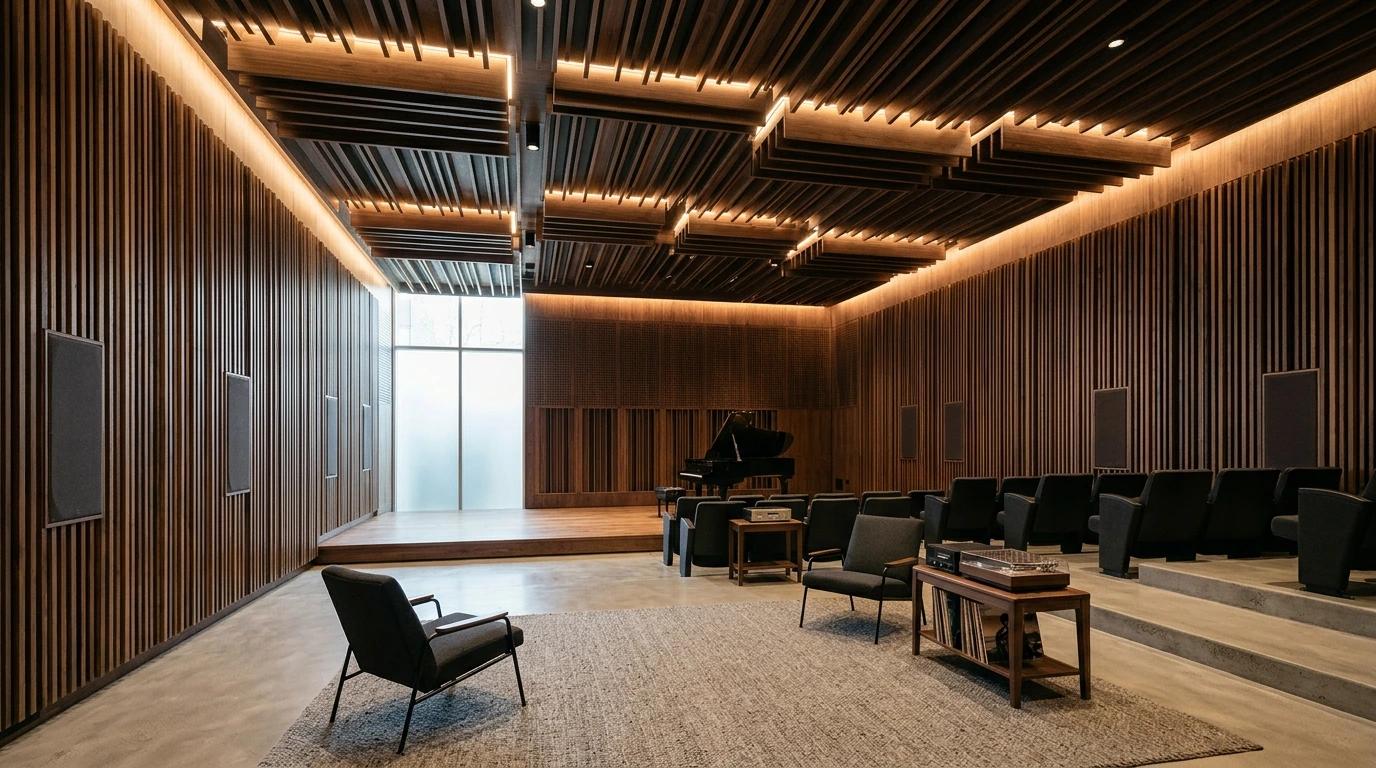
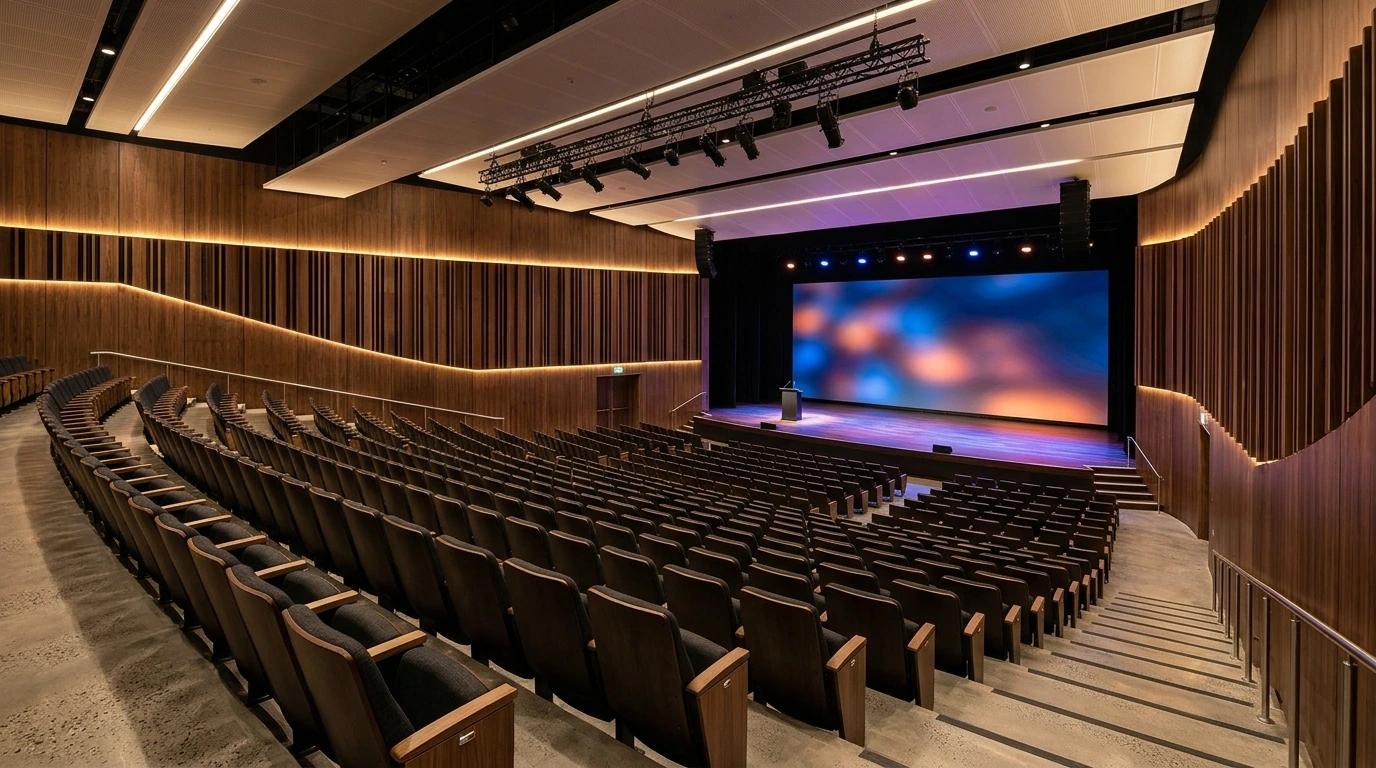
Absorptive acoustic panels reduce reflections from parallel drywall, glass and tile surfaces. In private cinemas, custom home theatre acoustics tighten dialogue and bass clarity; in offices, treatment makes hybrid calls intelligible.
Sound isolation concerns transfer between spaces
Stopping sound between rooms requires sealing air gaps around doors, glazing and ceiling plenums. Wall-mounted absorptive panels alone do not block structural sound transmission—Nissi coordinates acoustic integration scope while civil construction and interior execution sit with your building contractors.
Decorative acoustic panels improve sound clarity inside a room, but they do not replace solid doors or acoustic partitions for privacy between rooms.
Consider the room and audio system together
Speaker coverage, microphone placement and room acoustics work as one system. Review pro audio setup planning, conference room audio placement and Nissi's audio and acoustic solutions together.
What to include in an assessment brief
Share room dimensions, surface materials (glass, tile, gypsum), photos and whether your goal is better speech/cinema clarity inside the room or blocking external noise.
Take the next step
Explore Nissi's professional audio and acoustic solutions or share your room dimensions and goals through the project enquiry form to plan a practical next step with Nissi Office Systems.
Frequently asked questions
01What do acoustic panels do?
Acoustic panels absorb part of the sound that reaches them, reducing reflections and reverberation inside a room. They can support clearer speech and listening, but ordinary absorption panels are not a substitute for sound-isolating walls, doors or ceilings.
02Do acoustic panels soundproof a room from outside noise?
No. Acoustic panels absorb reflections inside a room to reduce echo and improve clarity. Blocking noise from outside requires structural sound isolation in walls, doors and windows.
03How do acoustic panels help a home theatre or conference room?
By absorbing early wall reflections, acoustic panels make movie dialogue sharper in home theatres and keep voices clear for remote callers in conference rooms.
Plan your next step
Read the complete guide: Pro Audio Setup: A Room-First Planning Guide